

 See My Latest Article on HelloNation
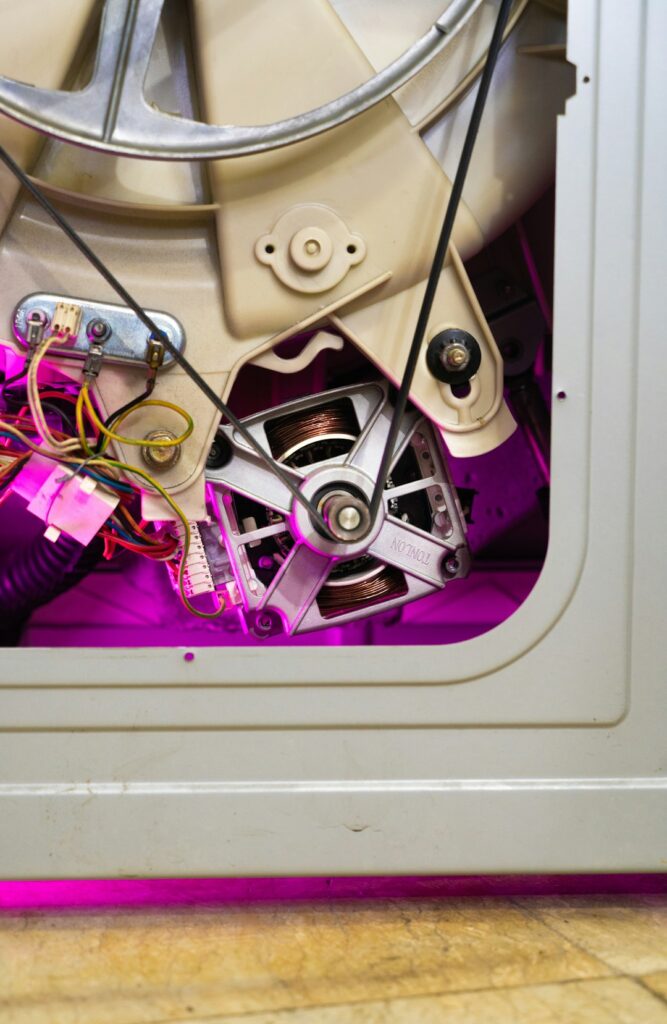
A dryer that tumbles normally but leaves clothes damp usually has an airflow problem, an electrical issue, or a failed heating component. The safest first steps are to stop using the dryer if it smells burnt, check the easy maintenance items, and avoid opening panels unless the appliance is unplugged and the repair is within your experience.
Is the dryer really producing no heat?
Start by running the dryer on a timed setting for several minutes. Open the door carefully and check whether the drum feels slightly warm. A brief test is enough; there is no need to run a full load.
If the dryer tumbles but the air remains completely cool, the heating system may not be receiving power or may have a failed component. If the air is warm but clothes take much longer than usual to dry, restricted airflow is more likely.
A dryer that stops heating only after it becomes hot may have an overheating-related problem. Some dryers shut down the heating circuit temporarily when internal temperatures rise too far.
Could a clogged lint filter or vent be the cause?
Yes. Restricted airflow is among the most common reasons a dryer takes too long to dry, and it can make the appliance appear as though it is not heating. The dryer may generate heat, but moist air cannot escape efficiently.
Clean the lint screen before every load. Fabric-softener residue can create a thin coating that reduces airflow even when the screen looks clean. Wash the screen occasionally with warm water and a small amount of dish soap, then rinse and dry it completely.
The exhaust hose and exterior vent also need attention. Look for:
- A crushed or sharply bent exhaust hose
- Lint collecting behind the dryer
- Weak airflow at the outside vent
- A vent flap that does not open during operation
- Snow, ice, leaves, or other debris blocking the outlet
Seasonal conditions can make this especially relevant for local households. Cold weather, snow accumulation, and long vent runs through older homes can reduce airflow or make blockages harder to notice. A vent that was adequate in mild weather may perform poorly when the outside outlet is obstructed.
Never operate a dryer with the vent disconnected inside the home. Moisture, lint, and combustion byproducts from a gas dryer should be directed outdoors.
What does a tripped breaker have to do with a dryer?
Electric dryers usually use two separate circuits within a double-pole breaker. One portion may continue supplying enough power for the motor and drum while the other portion fails to power the heating element.
This creates a common symptom: the dryer runs and tumbles, but it does not heat.
At the electrical panel, check whether the dryer breaker appears partially tripped. Move it firmly to the fully off position, then back on once. If it trips again, do not keep resetting it. Repeated tripping can indicate an electrical fault, damaged wiring, or a problem inside the dryer.
Gas dryers also require electricity for the motor, controls, igniter, and safety systems. A gas dryer can therefore run without heating if a heating-related electrical component has failed.
What heating components commonly fail?
Several internal parts can prevent a dryer from producing heat:
Electric heating element
The heating element is a resistive coil that becomes hot as electricity passes through it. Over time, the coil can break, sag, or contact the metal housing. A failed element often results in a dryer that tumbles normally with no warm air.
A damaged element should not be bypassed or repaired with improvised materials. Replacement requires disconnecting power and accessing internal components.
Thermal fuse
A thermal fuse is a safety device designed to open the circuit if the dryer overheats. It may fail because of a one-time overheating event or because a clogged vent repeatedly raises operating temperatures.
If a thermal fuse has opened, replacing it without correcting the airflow problem may lead to another failure. A fuse should never be bypassed, because doing so removes an important fire-protection feature.
High-limit thermostat or cycling thermostat
Thermostats monitor temperature and regulate the heat cycle. A defective thermostat may prevent heating, cause excessive heat, or make the dryer cycle incorrectly.
Symptoms can include very long drying times, unusually hot clothing, or a dryer that heats briefly and then stops heating.
Igniter, gas coils, or flame sensor

Gas dryers use an igniter to light the burner. Gas valve coils and a flame sensor help control when the burner starts and remains operating.
If the igniter glows but the burner does not light, the issue may involve the gas valve coils, flame-sensing system, or gas supply. If there is a gas odor, turn off the appliance if safe to do so, leave the area, and seek immediate assistance through the appropriate emergency or utility channel. Do not use switches, flames, or electrical equipment near a suspected gas leak.
Can a control setting make a dryer seem broken?
Yes. Some cycles use little or no heat by design. Air-fluff, delicate, low-heat, and certain energy-saving settings may produce only mild warmth. A moisture-sensing cycle can also end early if the load is very small, the sensor bars are dirty, or items are already partly dry.
Check the selected cycle and temperature setting before assuming a mechanical failure. For testing, use a timed dry cycle with a normal heat setting and a small load of similar fabrics.
A dryer that is overloaded may also appear ineffective. Clothes need space to tumble so warm air can circulate. Large blankets, dense towels, and heavy winter garments may require smaller loads or more drying time.
Why does a dryer heat intermittently?
Intermittent heating often points to restricted airflow, a failing thermostat, damaged wiring, worn gas valve coils, or a heating element that is breaking down as it expands.
A useful clue is timing. If the dryer heats when first started but stops after 10 or 15 minutes, overheating or a temperature-control fault is possible. If it heats only after being left unused for a while, a component may be failing as it warms.
Do not continue running repeated test loads if the cabinet becomes unusually hot, the laundry smells scorched, or the breaker trips. Those signs suggest a condition that should be addressed before further use.
What can residents safely check themselves?
With the dryer turned off and unplugged, basic external checks include:
- Cleaning the lint screen
- Inspecting the exhaust hose for crushing or kinks
- Checking the outdoor vent for visible blockage
- Confirming that the cycle and temperature settings are appropriate
- Checking the electrical breaker once
- Making sure the door closes and latches properly
Internal electrical, gas, and heating-system repairs require greater caution. Unplugging the dryer does not eliminate every hazard in gas models, and some components can retain heat or be connected to high-voltage circuits.
Stop using the dryer if there is a burning smell, visible sparking, melted wiring, repeated breaker trips, a damaged power cord, excessive heat, or any suspected gas leak. Safety concerns are more important than restoring the appliance quickly, particularly in older homes where wiring, vent paths, and utility connections may have been modified over time.
A dryer that does not heat is often affected by a clogged vent, a tripped breaker, or a failed safety component. Checking those possibilities in a careful order can distinguish a simple maintenance issue from a condition that should not be tested further.