

 See My Latest Article on HelloNation
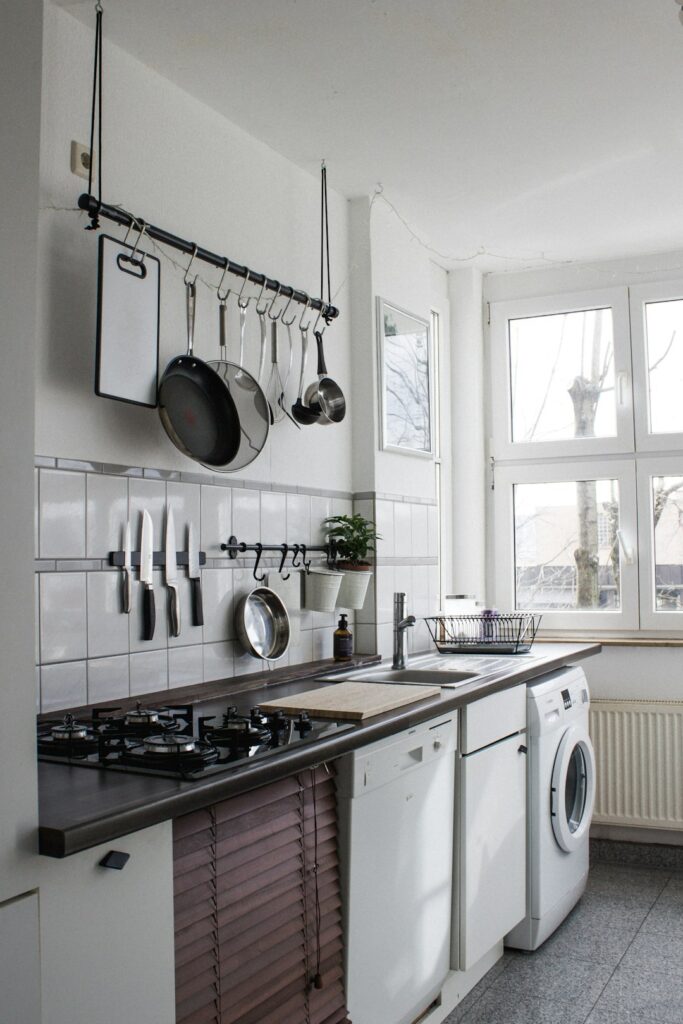
How Long Should Manchester, VT Residents Expect Their Appliances to Last?
Most household appliances in Manchester generally last anywhere from 8 to 20 years, but several variables can affect this range. Local residents often find that specific climate conditions, frequency of use, and maintenance routines in the area can influence actual lifespans.
Broad estimates for common appliances:
- Refrigerators: 10–15 years
- Dishwashers: 8–12 years
- Washing machines: 8–12 years
- Dryers: 10–15 years
- Water heaters: 8–12 years (tank type), 15+ years (tankless)
- Ovens and ranges: 13–20 years
These figures are averages, and individual experiences in city homes may be higher or lower depending on several factors.
What Local Factors Impact Appliance Lifespan?
The unique environment and living patterns in the community can change how long appliances last. Extreme seasonal temperature swings, for example, may affect machines like freezers or washers kept in unheated basements or garages.
Consider these influences:
- Water quality: Hard water, which is common in much of Vermont, can lead to mineral buildup in dishwashers, washing machines, and water heaters, potentially shortening their effective lifespan.
- Power surges and outages: Appliances in homes with older electrical systems may be exposed to occasional surges, increasing wear on sensitive electronics.
- Seasonal use: Some households use certain appliances heavily for part of the year (such as air conditioners in summer, humidifiers in winter), which can change expected wear patterns and service life.
- Housing age and infrastructure: Many homes in the area are older, and installing new appliances in existing spaces can sometimes result in extra stress on components if clearances or ventilation aren’t optimal.
How Can Maintenance Extend Appliance Lifespan?
Most appliances last longer and perform better with routine, simple care. Regular maintenance helps avoid unnecessary wear and keeps machines running efficiently, especially in the variable local climate.
Practical examples include:
- Cleaning filters in dryers, dishwashers, and HVAC systems
- Inspecting hoses and connections for leaks (especially washing machines and dishwashers)
- Flushing water heaters to reduce sediment buildup
- Defrosting freezers as needed
- Keeping refrigerator coils dust-free
Residents often overlook that even occasional attention—such as running cleaning cycles or checking water connections in early spring after thaw—can prevent many common malfunctions and may add years to an appliance's useful life.
When Is It Worth Repairing, and When Should You Replace?
Choosing repair or replacement depends on the appliance’s age, the nature of the problem, and whether parts are available. A general guideline is the "50% rule": if repair costs more than half the price of a similar new appliance, replacement may be the more economical choice.
Other considerations:

- If an appliance is near or past its average service life and develops major issues, a replacement often makes sense.
- If replacement parts are unavailable or unusually expensive, investing in newer technology can avoid frequent breakdowns.
- For critical items like refrigerators and dryers, rapid deterioration (like compressor failure or repeated electrical faults) may signal that service life is ending.
Local households sometimes choose to repair older appliances if they match unique cabinetry or fit an unusual space, but it’s wise to factor in future reliability and energy efficiency.
What Are Common Misconceptions About Appliance Lifespan?
Many people assume that higher upfront cost guarantees longer durability, but this is not always the case. Expensive models may offer more features or specialized cycles but can sometimes be more complex to maintain or service.
Other misconceptions include:
- “All appliances last at least 20 years”—few current models are built to the same standards as those made decades ago, and changes in parts availability or efficiency standards may shorten expected timelines.
- “Leaving appliances off means they’ll last forever”—even rarely used machines deteriorate due to seals drying out or mineral deposits forming in idle plumbing.
- “Regular use always wears appliances out faster”—for some items, such as dishwashers, occasional use can allow rubber parts to dry and crack, leading to early leaks.
Understanding these realities helps local families make informed choices on care and replacement.
How Can Local Homes Adapt Usage to Maximize Longevity?
Small changes to daily habits often extend appliance lifespan in this region. Residents benefit from:
- Avoiding overloading washing machines and dryers, especially important during mud season when heavier loads are common
- Using water softeners or descaling products if hard water affects performance
- Keeping appliances in areas with moderate temperatures to reduce stress from freeze-thaw cycles
- Staggering use of major appliances to avoid power surges in homes with older wiring
Paying attention to these local patterns can minimize repairs and keep household equipment running smoothly for years.