

 See My Latest Article on HelloNation
Which Small Appliances Are Most Commonly Repaired by Manchester, VT Residents?
Many homes across Manchester rely on small appliances for daily comfort and convenience—think coffee makers, toasters, blenders, microwaves, and vacuum cleaners. The appliances most often in need of simple repairs are those used frequently or exposed to Vermont’s seasonal temperature swings and power fluctuations. Small appliances with moving parts, heating elements, or complex buttons tend to wear out or develop issues over time, but not all require professional intervention.
What Makes a Repair Safe and Suitable for DIY?
DIY repairs are safe when the appliance is unplugged, the issue doesn’t involve high-voltage components, and the work doesn’t alter factory safety features. Residents should always disconnect devices from power before inspecting or working on them. Tasks such as replacing a plug, cleaning a heating element, or opening a housing to remove debris are generally suitable for home projects. Repairs to sealed or gas-operated units, or any involving electrical wiring beyond a simple plug, are best left unattempted except by trained individuals.
How Can You Troubleshoot Common Appliance Issues at Home?
Often, simple observations lead to quick fixes:
- If an appliance won’t turn on, double-check outlets and fuses—Manchester homes occasionally experience power surges or tripped circuits, especially during storms.
- For appliances that suddenly stop working, let them cool down; thermal fuses or safety switches might have triggered due to overuse or overheating in tightly insulated kitchens.
- Unusual noises could indicate loose parts or trapped debris, especially in food processors or blenders.
Document the appliance make and model before starting, as it’s helpful when referencing user manuals or seeking replacement parts.
What Are Some Easy Repairs for Kitchens and Living Spaces?
Coffee Makers:
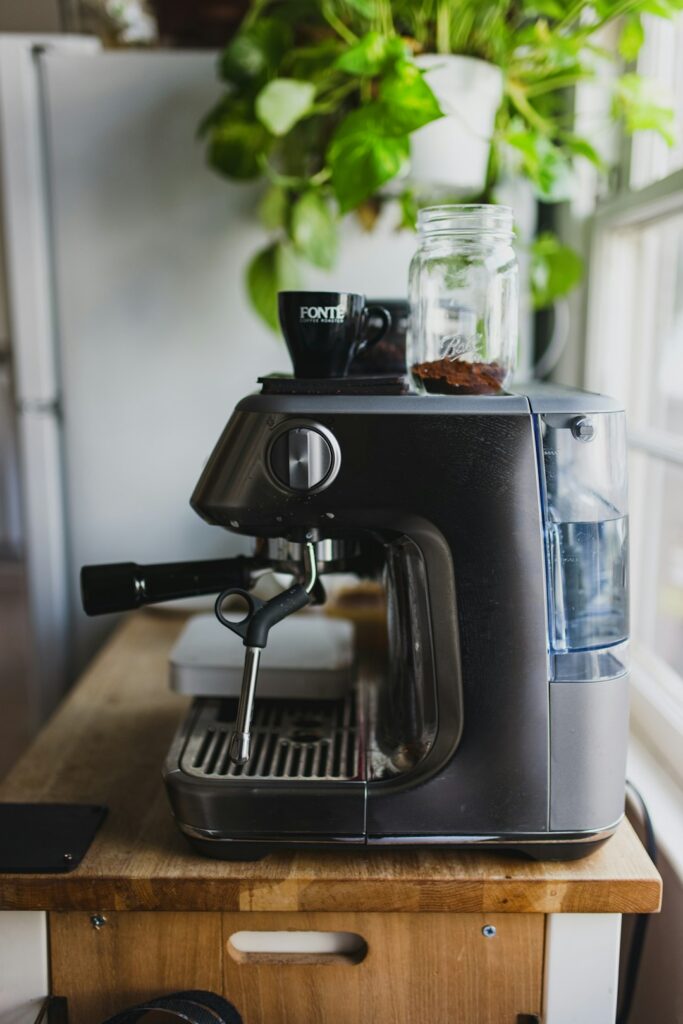
Mineral buildup is a frequent issue in local water conditions. If a coffee maker is slow or not brewing, running a mixture of equal parts water and white vinegar through a brewing cycle can clear out deposits. Always run several cycles with plain water after cleaning.
Toasters:
If a toaster won’t heat, crumbs or stuck lever mechanisms are common culprits. Unplug and gently shake out crumbs; for more persistent jamming, remove the crumb tray and use a soft brush. Avoid inserting metal tools near the heating wires.
Blenders and Food Processors:
Blades not spinning usually result from jammed couplers or sticky controls. Remove and wash all removable parts. For stuck buttons, check for spills or food lodged beneath the controls using a cotton swab or small brush. For models with rubber gaskets around blades, periodic removal and cleaning can prevent odors and leaks.
Vacuum Cleaners:
Loss of suction is often caused by a full or clogged bag, filter, or hose. Replace bags or empty canisters, wash or tap out filters, and use a straightened coat hanger to clear hose blockages.
What Tools and Materials Make DIY Repairs Easier?
Most basic repairs can be managed with just a few tools:
- Phillips and flathead screwdrivers of various sizes
- Needle-nose pliers for gripping and pulling small components
- A soft brush or compressed air for safe, dust-free cleaning of electrical contacts
- Multimeter for simple continuity and voltage checks—helpful for identifying dead fuses or broken wires
Keeping a small supply of spare fuses, generic plugs, and replacement light bulbs at home can save time and avoid unnecessary trips out in snowy or icy weather.

Are There Common Misconceptions About Fixing Appliances?
A common misconception is that all appliance problems require professional attention. Many homeowners discard malfunctioning items due to minor, easily remedied faults—especially loose connections, dirty switches, or tripped thermal fuses. Even cosmetic issues, like worn buttons or sticky keys, can usually be addressed at home.
Another misconception is that repairing is time-consuming or dangerous. For standard, low-voltage appliances not showing signs of complex electrical failure (like sparking or strong burnt odors), most repairs take less than an hour using basic tools.
What Should You Avoid Doing During Repair?
Tasks to avoid without technical know-how include:
- Disassembling sealed units or tampering with internal wiring, which can pose safety hazards or void manufacturer warranties
- Attempting fixes on appliances emitting a burning smell or showing scorch marks, as these may have hidden electrical damage
- Substituting parts with non-standard, incompatible pieces, which can lead to further breakdowns or even fire risk
If an appliance uses gas, refrigerant, or high-voltage electricity, or if you can’t clearly identify the problem after an initial inspection, it’s best to step back. Attempting repairs in these cases can turn a minor fault into an unsafe situation.
How Can Seasonal Considerations in Manchester, VT Affect Small Appliance Performance?
Long winters and damp springs can affect appliance function. Humidity and condensation may cause contacts to oxidize or become less reliable, while cold can make plastic and rubber brittle—leading to cracks or failed seals. Storing seasonal appliances (like slow cookers or space heaters) in dry, indoor spaces and wiping down surfaces before use can extend their lifespan. Unplugging rarely used items during local thunderstorm seasons reduces risk from surges.
Where Can Residents Learn More or Find Additional Support?
Local libraries frequently stock maintenance manuals and repair guides specific to common household devices. Additionally, appliance user manuals are often available online as free downloads, which can offer step-by-step diagrams and troubleshooting tips. There are also community groups and online forums where residents share advice tailored to regional appliance brands and models.
Tackling straightforward repairs with patience and the right information helps area residents keep households running smoothly, especially during busy or harsh seasons.