

 See My Latest Article on HelloNation
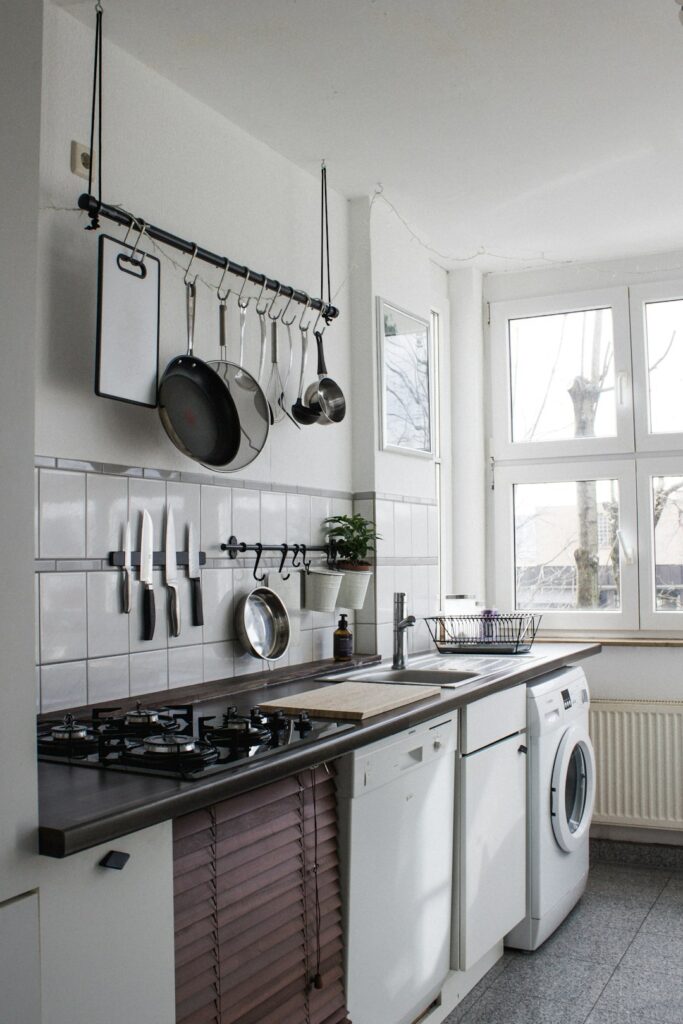
Why Childproofing Kitchen Appliances Matters in Manchester, VT Homes
Kitchens are central gathering spaces in many Manchester, VT households, but they can also present safety hazards—especially to curious children. With a mix of older farmhouses, newer homes, and a variety of appliance styles seen across the city, local families may face questions unique to their household layout and lifestyle. Childproofing kitchen appliances goes beyond just preventing minor bumps; it helps avoid burns, cuts, electrical risks, and toxic exposure.
Even the most attentive adults find that children are unpredictable, particularly in the colder months when indoor activities increase. Assessing your specific appliance setup and family routines is the first step in creating a safer kitchen environment.
—
Which Appliances Require the Most Attention?
Childproofing priorities can vary, but Manchester homes often share some common concerns:
- Ovens and Stovetops: Risk of burns, tipping, or ignition
- Refrigerators and Freezers: Pinched fingers, access to choking hazards or medicines
- Dishwashers: Sharp utensils, hot water, detergent pods
- Microwaves: Hot containers, scalding liquids, accessible buttons
- Small Appliances (blenders, toasters, etc.): Sharp blades, electrical hazards
For homes with open kitchen layouts, portable appliances may also require attention, especially where outlets are easily reached by little hands.
—
How Can Area Residents Secure Ovens and Stovetops?
Install sturdy, heat-resistant knob covers and oven locks. These devices make it extremely difficult for a child to switch on burners or open oven doors. It’s also wise to:
- Turn pot handles inward to prevent grabbing or tipping.
- Use back burners when possible to keep pans beyond reach.
- For gas ranges, consider child-resistant covers to block flame ignition.
- If your stove is freestanding, secure it to the wall with an anti-tip bracket, a critical measure sometimes overlooked in older or rental homes.
Some parents in Manchester find it helpful to use visual barriers like safety gates to block off the entire kitchen during busy times, especially in households with more than one child.
—
What Are Practical Ways to Childproof the Refrigerator and Freezer?
Children often view the fridge as a source of snacks or adventure. To keep them safe:
- Use appliance locks specifically designed for fridges and freezers.
- Store medicines, alcoholic beverages, and choking hazards on high shelves or in locked boxes, well out of children's line of sight.
- Be mindful of gap size: narrower French door styles sometimes have tighter doors that are harder for little fingers to open, but older single-door models may be less secure.
- For side-by-side units, an all-purpose strap lock can help prevent access to both doors simultaneously.
Check seals and gaskets regularly, especially after a winter of dry air, as these can become less effective and easier for small hands to open.
—
How Should Dishwashers Be Childproofed in Local Households?
Dishwasher access can be a hidden hazard. Children may try to climb on open doors or reach sharp knives and detergent pods. To address this:
- Install a childproof latch on the dishwasher door.
- Load sharp utensils with tines or blades pointing downward and toward the back.
- Only run the dishwasher when children are not nearby, if possible.
- Store detergents and rinse aids in upper cabinets or secured drawers, not under the sink.
For those living in older Manchester homes with less counter space, portable dishwashers should be disconnected and pushed out of access range when not in use.
—

Can Small Appliances Be Childproofed, or Should They Just Be Stored Away?
The most effective strategy is to store dangerous small appliances high up or in locked cabinets. Still, if appliances (like coffee makers, blenders, or toasters) must remain on the counter:
- Unplug them when not in use and loop cords out of sight.
- Use outlet covers or safety plugs for all accessible outlets.
- Consider cord shorteners or retractors to minimize dangle and temptation.
Particularly in northern climates, where extra hot drink appliances appear in winter, remind children these are not toys—even if they see adults using them frequently.
—
Are Outlet Covers and Cord Management Needed for Kitchen Safety?
Absolutely. Kitchens often have more accessible outlets for convenience, but they pose electrical risks. Use sliding plate covers or outlet caps that are difficult for children to remove. For appliances that require continuous power, select covers with holes just large enough for necessary plugs.
Cord organization helps prevent tripping and pulling. Spring and summer are good times to audit cord locations, as more daylight often means children are in and out of kitchens with less supervision.
—
What Local Seasonal Habits Can Affect Appliance Safety Measures?
Changing weather impacts household rhythms in Manchester. In colder months, families spend more time indoors, increasing kitchen congestion and risk of accidents. Mud season can also mean children trail through the kitchen more often, sometimes tracking moisture and slickness onto the floor.
- During winter, check that radiator or baseboard heaters (sometimes located in kitchens) are blocked off or covered to avoid burn risk.
- In summer, be mindful that fans and portable cooling units should have blade guards and secure, inaccessible cords.
- Adjust appliance locking devices periodically, as temperature and humidity can affect adhesive-based products.
—
What Are Common Childproofing Mistakes?
Parents sometimes rely too heavily on supervision alone. Some other frequent oversights include:
- Underestimating a child's climbing or problem-solving skills
- Leaving appliance manuals within reach (which may include loose, glossy pages or button guides)
- Temporarily removing safety latches "just for a minute" and forgetting to replace them
- Assuming that a single safety device is foolproof—layered strategies are best
Review kitchen safety measures seasonally and after any appliance upgrade or layout change for best results. Even simple, well-placed childproofing products can make a meaningful difference for area families.