

 See My Latest Article on HelloNation
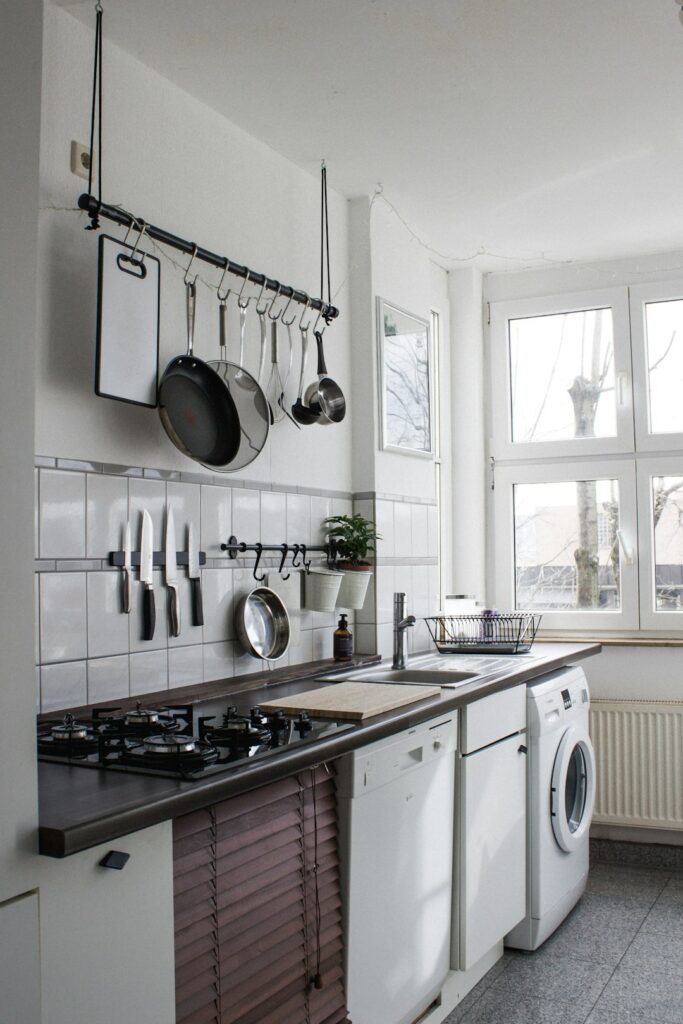
What Actually Happens When Your Appliance Warranty Expires?
When the manufacturer’s warranty ends, the financial responsibility for repairs, parts, and malfunctions shifts entirely to the owner. Coverage for defects or unexpected breakdowns is no longer provided, even if the issue seems similar to prior problems. In Manchester, VT, where weather and rural living can influence appliance use and longevity, understanding what this means is a key first step.
Most home appliances have warranty periods between one and five years. Once this window closes, support from the manufacturer for free repairs or replacement typically ends. Extended warranties or service plans, if purchased, may still be in force, though these need to be checked separately.
Should You Repair, Replace, or Troubleshoot an Out-of-Warranty Appliance?
With no warranty safety net, the decision becomes practical: repair at your own expense, attempt a fix yourself, or consider replacement. The answer depends on the appliance's age, repair costs, and typical lifespan for local households.
- Refrigerators and ranges can last well over a decade, making repair more appealing if the appliance is only a few years old.
- Clothes washers and dishwashers often show issues after 7–10 years; in these cases, carefully weigh the cost to fix versus getting a new one.
- Harsh winters and fluctuating power in area homes sometimes cause unusual wear, so it’s wise to consider whether the problem is likely a one-time fix.
Start with basic troubleshooting: Clean filters, check for tripped breakers, inspect hoses, and consult the owner's manual. Many issues in local homes stem from blocked vents, hard water buildup, or seasonal surges—which are simple to address if caught early.
Is It Safe or Cost-Effective to Attempt DIY Repairs?
Basic appliance maintenance or minor fixes can frequently be done safely by owners. Replacing filters, unclogging drains, or tightening connections require only standard tools. For common household appliances, these low-risk tasks save money and keep machines running smoothly.
However, when the problem involves:
- Natural gas connections
- Electrical or heating systems
- Refrigerant or sealed components
It is safest to step back. In Manchester, where some older homes may have legacy wiring or local code requirements, the risk of property damage or injury increases substantially with complex DIY repairs. Always cross-reference the appliance's original documentation and respect all warning labels before starting.
Where Can You Find Reliable Appliance Parts and Information?
Genuine parts can usually be ordered directly from the manufacturer’s website or through well-established national suppliers. If online ordering is not ideal, look for hardware stores carrying the needed part number. Always match old parts with new replacements visually and by serial number to avoid wasted time.
Many appliance models have robust online communities that share diagrams, how-to guides, and troubleshooting tips. These resources are invaluable when the manufacturer's support is no longer available. Use caution—follow only instructions that are specific to your appliance's exact make and model.
For those in the community with slow or unreliable internet access, manuals can often be obtained from local libraries or by requesting a mailed copy from the manufacturer.
How Do Local Conditions in Manchester Affect Appliance Lifespans and Repairs?
Manchester’s climate and rural geography present unique challenges for home appliances. Cold winters cause heating systems, dryers, and refrigerators to work harder. Well water is common, and its unique mineral content can accelerate wear on washers, water heaters, and dishwashers through buildup or corrosion.
Keep in mind:
- Power fluctuations or outages, particularly after storms, are frequent causes of appliance malfunctions. Surge protectors can help, but after an outage, check control panels and reset circuits if needed.
- Ice and snow can block venting for dryers or heating units in rural outbuildings, so inspect these outlets seasonally.
- Hard water often shortens the life of appliances unless filtered or descaled regularly.

Making appliance decisions with local conditions in mind can prevent repeat repairs and extend the life of replacement appliances.
What Other Resources Are Available If You Cannot Afford Repairs?
For some residents in Manchester, an unexpected breakdown can strain the household budget, especially if the appliance is essential (like heating or refrigeration). Start by looking for manufacturer recalls or “service bulletins”—sometimes unresolved design flaws are covered, even outside standard warranty periods.
Municipal or state programs may occasionally provide support to qualifying households for critical appliance repairs, particularly during the heating season. Community boards and local assistance groups sometimes offer loaner appliances or advice in emergencies.
When considering used or refurbished appliances as a cost-saving measure, carefully inspect for signs of excessive wear or water damage, and always ask for documentation of any recent servicing.
Is Preventive Maintenance Worthwhile After Warranty Expiry?
Regular, simple maintenance—cleaning condenser coils, replacing hoses, checking seals—can help prevent expensive repairs even after a warranty ends. Many problems in city households start as minor issues that grow over time due to neglect.
Create a seasonal checklist for the most frequently used appliances:
- Change water filters and clean lint traps at least every six months
- Rinse dishwasher arms and screens to prevent clogs
- Inspect hoses for bulges or leaks before winter freezes
Keeping records of what was done and when also helps if you ever need to prove diligent care, either for private warranty appeals or when selling a home.