

 See My Latest Article on HelloNation
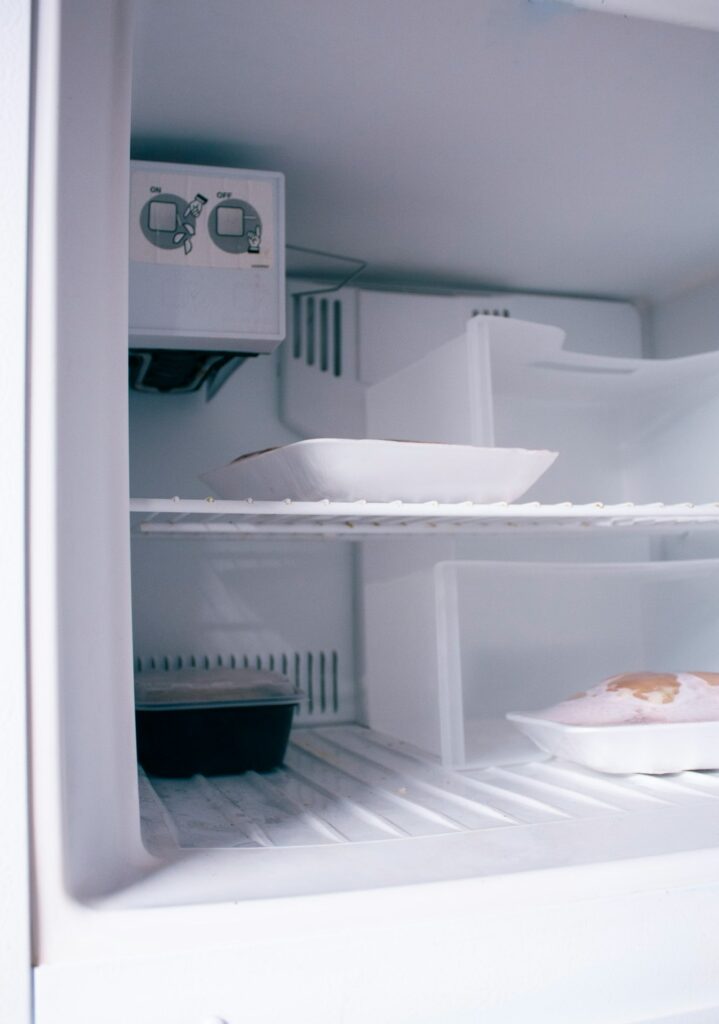
What Causes Frost to Form in Freezers?
Frost forms in freezers when moisture-laden air meets the cold coils inside, causing the water vapor to turn into ice. In homes across Manchester, VT, seasonal humidity and frequent door openings are common culprits. Every time the freezer door opens, warm, moist air finds its way inside, triggering this process.
Common ways frost builds up include:
- Leaving the freezer door open too long, especially during humid summers or when loading groceries after local shopping trips.
- Worn or damaged door gaskets that let outside air seep inside.
- Placing uncovered or hot food directly into the freezer, which releases extra moisture.
In regions like Manchester, where winters can be dry but summers get sticky, fluctuating indoor humidity is often overlooked as a contributor.
How Can You Tell If Your Freezer Has Too Much Frost?
A thin coating of frost on interior walls is typical, especially in older freezers without automatic defrost features. However, if you see thick ice buildup on shelves, drawers, or around the door seal, it’s a sign that air or moisture is getting inside.
Look for:
- Frost layers thicker than ¼ inch
- Difficulty opening drawers or closing the door fully
- Ice forming around the door frame or gasket
Too much frost reduces storage space and forces the freezer to work harder, raising energy costs—a concern for many area households striving for efficiency during long winters.
Why Do Freezers in Manchester Seem to Frost Up More at Certain Times of Year?
Local seasonal shifts play a role. In Manchester, VT, summer’s high humidity and frequent power fluctuations during thunderstorms can both cause excess moisture inside the freezer. Winter often brings repeated opening and closing as residents store bulk goods, making it easier for warm air to sneak in.
Other overlooked factors:
- Storing large amounts of unfrozen food after big grocery runs can raise internal moisture levels quickly.
- Rural homes may experience brief power interruptions, which allow frost to melt and refreeze, compounding the problem.
What Steps Stop the Frost Buildup?
To prevent and fix frost issues, focus on limiting moisture from entering the freezer and maintaining a tight seal.
Easy ways to help:
- Check the door gasket regularly for cracks, tears, or loose spots. Replace it if you feel cold air escaping or see visible damage.
- Limit how often and how long the door is open, particularly during humid weather.
- Cool hot foods before freezing, and cover or wrap items to reduce moisture release.
- Arrange freezer contents to allow good air circulation—avoid crowding items against the back wall.
- Defrost manually if your freezer does not have automatic defrost. Wait until frost exceeds ¼ inch, then unplug and let the ice melt, protecting the floor with towels or pans.

Misconception: Many people think scraping off thick ice with a sharp object is okay. This can puncture the freezer lining, causing leaks and requiring expensive repairs.
Do All Freezers Have This Problem?
Not all freezers are equally prone to frost buildup. Newer frost-free models feature built-in heaters that cycle on periodically to melt away accumulated ice. These are common in many Manchester homes, yet even these units can frost up if the door seals fail or if the door is left open during a power outage.
Chest freezers are often less prone to heavy frosting since they’re opened less frequently, but if not used carefully, they can still develop significant ice buildup.
How Do You Fix a Freezer That’s Already Full of Frost?
If the freezer has significant frost, the safest option is a full manual defrost:
1. Move all food to a cooler or a neighbor’s spare freezer.
2. Unplug the freezer and open the door.
3. Place towels or pans to catch water as the frost melts—Manchester’s cold basements make this step easy in winter, but be careful in warm weather to prevent water damage.
4. Gently loosen chunks of frost with a plastic spatula (never metal).
5. Clean the interior with a baking soda and water solution before plugging back in and restocking.
Allowing the ice to melt fully helps prevent immediate refreezing of stubborn frost patches.
What If Frost Keeps Returning After Fixing?
Persistent frost after defrosting usually indicates a recurring problem:
- Check the door gasket one more time—sometimes cracks are hidden at the base or sides.
- Make sure the freezer sits level and the door closes firmly. Uneven placement is a common cause of door leaks in old homes with sloping floors.
- If a basement or unheated porch is especially humid (typical during Manchester’s mud season or rainy fall days), consider moving the freezer to a less exposed spot.
If the unit continues to ice up after these checks and adjustments, internal components like a faulty defrost timer or damaged temperature sensor may require inspection. For most residents, this is the point where handling electronics or sealed-system repairs at home is not safe, and the issue should be left alone.
How Much Frost Is Too Much? Is Some Frost Normal?
A little frost, especially in older or chest-style freezers, is not cause for concern. Frost becomes a problem when it obstructs access, covers vents, or accumulates faster than you can safely remove it.
Manchester, VT homeowners are used to adopting seasonal habits to keep appliances running efficiently—checking seals, adjusting storage habits, and scheduling regular defrosts can reduce both energy use and food waste. In most homes, simply keeping an eye on the door seal, covering food, and working with the rhythms of the season go a long way toward frost-free storage.