

 See My Latest Article on HelloNation
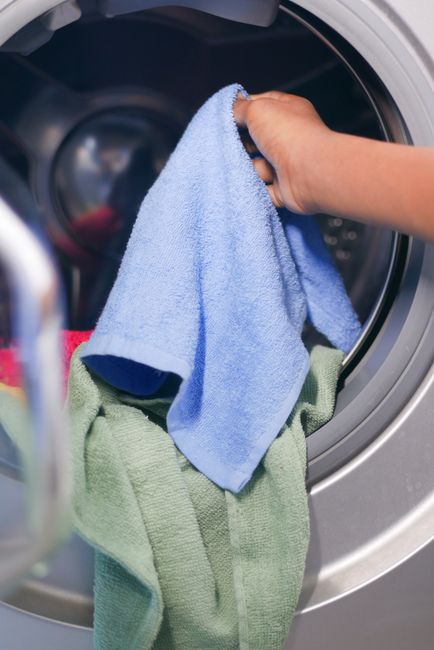
Why Do Mold and Mildew Form in Front-Load Washers?
Mold and mildew are common concerns for residents with front-load washers, primarily due to the design of the rubber door gasket and the typically humid environment inside the machine. The moist conditions, frequent in many homes throughout Manchester, VT—especially during spring and summer—create the perfect environment for microbial growth. Mold and mildew not only cause unpleasant odors but can also negatively impact laundry quality and even trigger allergies.
Front-load washers have a door gasket that traps moisture and detergent residue, unlike top-load designs that air out more easily. Low-ventilation laundry rooms, common in older area homes or basements, can further increase the risk. Understanding this helps local residents take preventive and corrective action efficiently.
What Are the Signs of Mold and Mildew in a Washer?
The first indicators include musty odors on freshly washed clothing or inside the washer itself, black or gray streaks on the rubber gasket, and occasionally visible spots inside the detergent tray or drum. If laundry smells sour after a wash, persistent mold or mildew is likely present.
Area households sometimes notice these changes more during humid Manchester summers or after longer periods between laundry loads, when washers stay closed and wet for days.
Is It Safe to Remove Mold and Mildew Yourself?
For most Manchester residents, mold and mildew in front-load washers can be safely addressed with household supplies and proper precautions. Gloves and good ventilation are typically sufficient. If mold growth is extensive, or if there are respiratory concerns in the household, using a mask or scheduling work when the room can be aired out is wise. Severe infestations extending to adjacent walls or floors may indicate a larger moisture problem, in which case professional consultation is warranted.
What Supplies Work Best for Cleaning Washer Mold and Mildew?
Most homes in the city will have several effective supplies already on hand. Common choices include:
- White vinegar (for dissolving mineral and soap buildup)
- Baking soda (for scrubbing action)
- Liquid dish soap or mild detergent
- Hydrogen peroxide (for more stubborn stains or microbial kill)
- Clean rags or microfiber cloths
- An old toothbrush or small non-metallic brush
Avoid abrasive cleaners, as these can damage the door seal. Never combine vinegar and bleach—doing so creates harmful fumes.
How Should the Rubber Door Gasket Be Cleaned?
The rubber gasket is the most vulnerable area for microbial buildup. To clean it safely:
1. Open the washer door and gently pull back the rubber seal, inspecting all crevices for trapped debris, lint, or black spots.
2. Wipe the visible surfaces with a vinegar-soaked cloth, then use a toothbrush to scrub tight sections.
3. Rinse the area with a damp cloth, then dry thoroughly.
4. For persistent stains, dab a 3% hydrogen peroxide solution directly onto mold spots, let sit for a few minutes, then scrub and dry again.
Repeat the cleaning if stains remain. For residents using well water, which is fairly common outside denser parts of the community, mineral buildup may require extra effort.
Does Running a Cleaning Cycle Really Work?
Modern washers often have a “tub clean” or “sanitary” cycle, which helps but won’t fully remove visible mold. To maximize effectiveness:
- Run the washer on its hottest setting, ideally empty, with two cups of white vinegar in the detergent compartment. For washers without a cleaning setting, a normal hot cycle also works.
- Add half a cup of baking soda directly to the drum for deodorizing.
- After the cycle completes, leave the door wide open to air dry.
Repeat monthly to help control odor and growth, especially in the humid months or after long periods of inactivity.
Are Detergent Drawers and Drains Overlooked Areas?
These parts are easy to forget but often harbor moisture, soap scum, and biological residue. To clean them:
- Remove the entire detergent drawer (most slide out with a little pressure).
- Soak and scrub all removable parts in warm, soapy water.
- Wipe down the inside slot where the drawer fits, watching for dark streaks or buildup.
- For the drain filter (check your washer’s manual for location), place a towel underneath and unscrew. Remove lint, debris, and wipe clean before reinserting.
Checking these areas monthly can prevent most recurring odor issues and help Manchester households maintain washer performance.
What Are Some Preventive Tips for Mold-Free Washers?
Preventive steps are particularly effective in the Manchester climate, where basements and laundry rooms sometimes remain humid for weeks at a time. Simple habits include:
- Leaving the washer door and dispenser drawer ajar after each use to let the machine dry thoroughly.
- Wiping down the rubber seal and door glass after washing.
- Using only High-Efficiency (HE) detergents, as regular detergents create excess suds and residue.
- Avoiding overuse of fabric softener, which leaves sticky deposits.
- Running periodic hot water cleaning cycles.
Residents who dry clothes indoors should also monitor overall room humidity during mud season or summer, as this can contribute to both washer and room mold issues.
When Should Concerns Extend Beyond the Washer?
If, after cleaning, persistent odors or spots reappear rapidly, or if residents notice mold spreading to fixtures, walls, or flooring, it’s wise to consider broader sources—such as poor room ventilation, plumbing leaks, or ongoing water intrusion. Local homes near flood-prone areas can be especially susceptible after heavy rain events. Addressing structural moisture is crucial to preventing long-term mold problems.